CQC registration
CQC Registration for Diagnostic and Screening Services
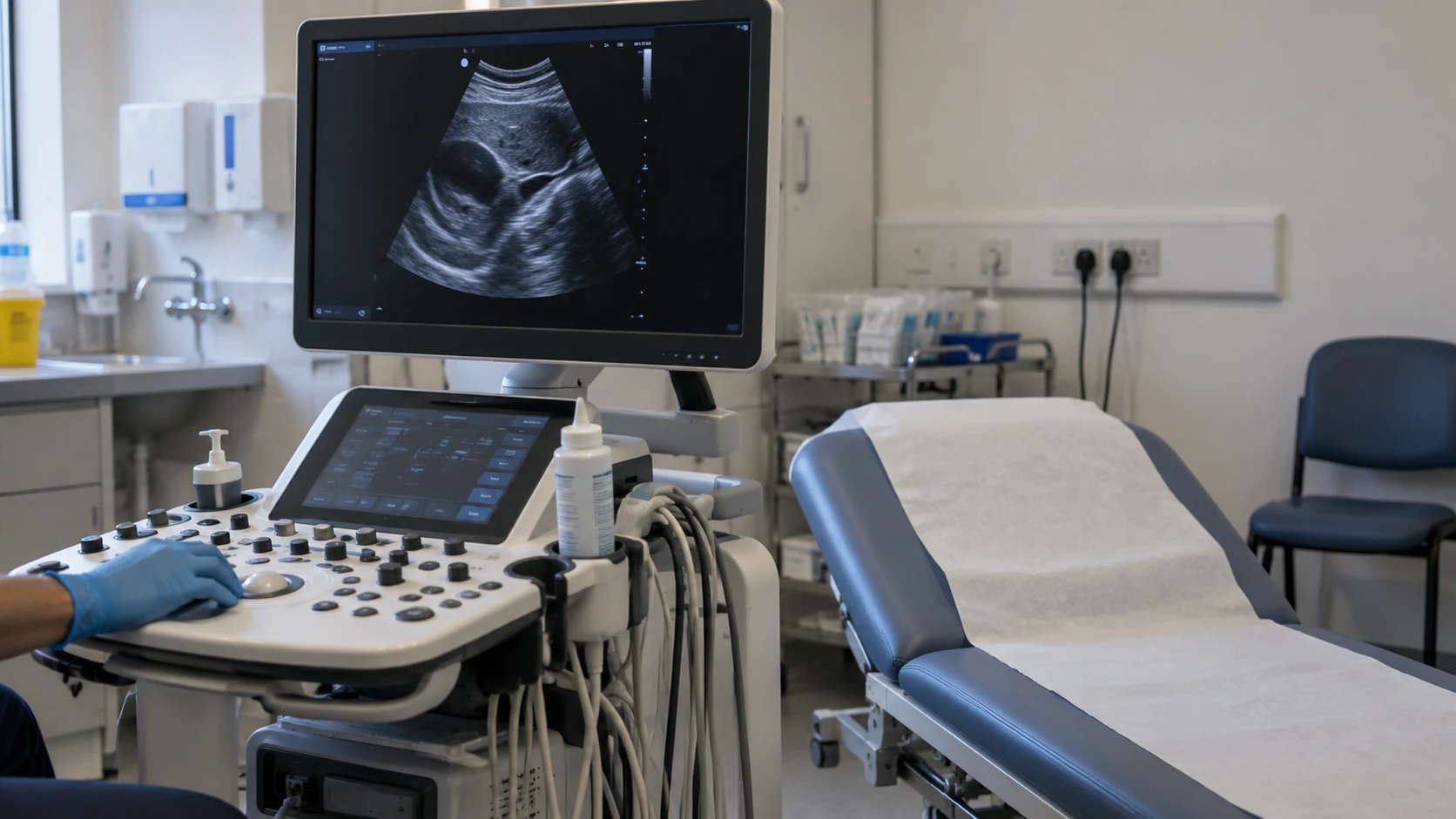
A diagnostic or screening business in England may need Care Quality Commission (CQC) registration even if it does not diagnose patients in the consulting-room sense, prescribe medicines or provide treatment. Imaging, sample collection, laboratory analysis, physiological investigations and remote reporting can each bring a service within the regulated activity Diagnostic and screening procedures.
But the boundary is not simply 'any test needs CQC'. CQC's guidance, updated in March 2026, makes specific distinctions between regulated investigations, excluded low-risk tests, activities already covered by another registered provider and certain diagnostic-only services.
For anyone planning an MRI centre, ultrasound service, blood-testing clinic, pathology business or mobile diagnostic operation, the most useful question is which entity actually performs, examines or reports which part of the diagnostic pathway?
What does CQC mean by Diagnostic and screening procedures?
This is one of the regulated activities under the Health and Social Care Act 2008 framework. CQC's current definition includes several different kinds of work:
Diagnostic imaging
X-rays, CT, MRI and ultrasound used to examine the body. Other regulated diagnostic radiology and sonography are also included.
Endoscopy and internal investigations
Most procedures in which instruments or equipment enter the body to look inside or gather physiological information.
Sampling and pathology
Removing tissue, cells or body fluids for diagnostic purposes, and examining samples to obtain information about disease or injury.
Physiological measurement
Relevant investigations of systems including cardiovascular, respiratory, neurological, gastrointestinal, urinary, visual and audio-vestibular function.
Analysis and reporting
Interpreting the examinations is itself part of the regulated activity, even where images or samples were originally obtained elsewhere.
You do not have to be a healthcare professional to be the registered provider of this activity. What matters is the activity delivered and who carries it on.
A company describing itself as a 'screening provider' or 'diagnostic platform' should therefore identify its actual procedures and reporting responsibilities. The marketing label alone does not settle whether registration is necessary.
Which tests and screening services are not included?
CQC expressly excludes a number of specific procedures from this activity. Examples in its March 2026 guidance include:
Recording a 12-lead ECG.
Spot pulse oximetry, peak-flow readings, screening or non-diagnostic spirometry, and non-ambulatory blood-pressure measurement.
Blood taken by finger prick or venepuncture where the sample is not sent to a laboratory for analysis.
Taking a urine sample that is not sent to a laboratory, and taking and analysing wound swabs.
Some fitness screening connected with gym equipment and activity, rather than clinical investigation.
Certain procedures undertaken under specified national cancer screening programmes, and some research-only procedures that are not part of a patient's care.
These are defined exceptions, not a rule that similar-looking tests are always outside scope. For example, CQC distinguishes some low-risk spot measurements from more extensive physiological investigations. A diagnostic treadmill test for clinical purposes is not automatically exempt just because treadmill-based fitness screening at a gym may be.
There is also an important rule for providers already registered for another regulated activity: CQC says it will treat certain low-risk actions, such as taking blood or urine samples, dipstick analysis, external swabs and skin scrapings, as part of that existing registration. The provider does not need to add Diagnostic and screening procedures solely because of those particular actions.
That does not mean an independent business offering a separate sample-collection service can simply rely on somebody else's registration. Its own activity, laboratory destination and provider status still need assessment. Use CQC's full inclusion and exception list rather than assumptions about 'simple' tests.
Baby scans and diagnostic-only ADHD or autism assessments
Two particularly useful examples show why ordinary language is not enough to decide CQC scope.
Keepsake baby ultrasound scans are included. CQC says the diagnostic and screening activity encompasses examination of the body by ultrasound even when an antenatal scan is sold solely as a souvenir or keepsake, outside the normal maternity pathway. It applies regardless of whether the operator is a qualified sonographer.
By contrast, CQC's March 2026 guidance says that diagnosis of ADHD or autism alone, without treatment, does not fall within Diagnostic and screening procedures because it does not involve the specified equipment-based physiological measurement. If diagnosis is genuinely the only service, CQC says registration is not required for that diagnostic-only offering.
That does not exempt a service that also provides regulated medical treatment or another regulated activity. For example, a provider that diagnoses a condition and also delivers clinical treatment under a listed healthcare professional must assess Treatment of disease, disorder or injury separately.
These examples reinforce the same principle: check the actual regulated-activity definition, rather than equating 'medical diagnosis' with Diagnostic and screening procedures or assuming a non-medical marketing purpose rules it out. The CQC scope checker on Registration Compare can help frame the question before you check CQC's formal guidance.
Standalone diagnostic provider or a service inside a treatment clinic?
This distinction affects both the activity selection and the service type on the application.
CQC uses Diagnostic and/or screening services (DSS) to describe a service whose sole or main purpose is diagnosis or screening, such as a focused imaging, health assessment, pathology or physiological-testing centre.
Its new-provider application guidance specifically says to select DSS as a service type only when diagnostic or screening work is the sole or main activity at that location. A hospital, GP practice or independent treatment clinic should not automatically select the DSS service type merely because it also registers for the regulated activity of Diagnostic and screening procedures.
The service-type distinction is easier to see by operating model:
| Operating model | CQC classification question |
|---|---|
| Dedicated ultrasound, imaging or screening centre | If diagnostics are the sole or main service, the DSS service type may be appropriate, alongside the applicable regulated activity. |
| Medical clinic that treats patients and also performs scans | It may need Diagnostic and screening procedures as an activity without DSS being the clinic's main service type. |
| Provider already registered for treatment that takes routine samples during care | CQC's limited low-risk provisions may mean no extra diagnostic activity is needed solely for those actions. |
The application, statement of purpose, premises, staffing and fee classification should reflect the actual service model, not a convenient label.
Taking the scan is not always the same as reporting it
A diagnostic pathway may involve more than one legal provider, and CQC's March 2026 guidance explicitly addresses the split.
If one registered provider undertakes imaging and reports the findings, those elements can fall under a single registration. But if an independent English teleradiology company or pathology laboratory carries out the analysis and reporting as a separate provider, it may need its own CQC registration for that regulated activity.
The registration implications differ across the diagnostic pathway:
- 01Images and reports itselfThe imaging and reporting may sit within one provider's registration.
- 02English teleradiology reporterIndependently analysing and reporting images generally requires its own registration.
- 03Pathology laboratoryExamining and reporting samples may itself be a regulated activity, separate from sample collection.
For specimens, also establish who removes the sample, reviews and communicates the result, and acts on urgent findings.
CQC also deals with imaging reports subcontracted to an organisation outside England. That subcontractor is outside CQC's direct registration remit, but the English registered provider remains accountable for the contracted service and must ensure appropriate quality-assurance arrangements.
Simply having an outsourcing agreement does not remove the need to know who is delivering the regulated activity. Refer to CQC's guidance on diagnostic reporting and subcontracting.
Does AI image reporting need CQC registration?
The key distinction is software supply versus delivery of a clinical diagnostic result. A technology supplier does not need CQC registration solely to license software, but its position can change if it independently analyses and reports clinical results. Check the actual workflow, not the product's 'AI' label.
The healthcare provider using AI remains responsible for regulated activities it carries on. The technical label of the algorithm is less important than which organisation provides the diagnostic output, who validates it and who is accountable when the result is wrong.
For an AI-enabled imaging or reporting business, document the full workflow: what the software does, whether a qualified professional reviews the output, which organisation issues the clinical report, how errors are identified and who handles an urgent abnormal finding. CQC's AI and diagnostic scope explanation is the starting point, with its wider AI expectations for providers providing safety context.
Fixed diagnostic centres, mobile scanners and laboratories: which locations count?
CQC has a specific location rule for standalone permanent diagnostic and screening facilities.
Fixed standalone facility
A fixed CT or MRI centre, fetal screening facility, health-assessment service or permanent medical laboratory may be a CQC location in its own right.
Mobile scanner or vehicle
Mobile scanners and vehicles are not generally separate CQC locations simply because they travel.
If the same provider carries on the regulated activity at several permanent standalone sites, each may need to be recorded as a location. There are specific exceptions and satellite arrangements, including some small laboratories associated with a main laboratory and diagnostic facilities within NHS trust services.
If a mobile unit belongs to a provider with permanent locations, it can be allocated under an appropriate registered location. Where there is no permanent site, a headquarters or business address from which the activity is managed may be the location, with the mobile arrangements described in the statement of purpose.
This is a different analysis from the GP branch-surgery rule. Do not copy a GP practice location model into an independent imaging business.
CQC's location guidance, including rule 7, should be applied to your precise mix of permanent facilities, laboratories, satellites and mobile units.
Who registers and who manages the diagnostic service?
The registrable provider is the individual, partnership or organisation carrying on the regulated activity. It might be an imaging company, an independent laboratory, a self-employed provider or another organisation. The owner of a building or scanner is not automatically the registered provider if a separate company actually delivers the service.
For organisations and partnerships, CQC generally requires a registered manager responsible for the relevant regulated activities and locations. An individual provider genuinely in day-to-day charge may have a different position. An organisation also needs an appropriate nominated individual.
The management requirement is practical as well as formal. Somebody must be able to explain competence, equipment safety, clinical reporting, referral acceptance, incident handling and oversight of any contracted reporting team.
See CQC's provider definitions and our registered manager requirements guide for those general rules.
What must be ready before a diagnostic provider applies?
CQC's current general new-provider guidance requires the core application documents, including a statement of purpose, governance, consent, complaints, infection prevention and control, medicines arrangements, recruitment, safeguarding and relevant insurance evidence. A building-control final certificate and financial viability statement apply in specified circumstances.
The 2026 service-specific extra-documents list does not name standalone diagnostic and screening services as a separate category requiring a fixed additional submission pack. If your operation also offers another service with additional requirements, check that service as well.
Do not mistake 'not on the initial attachment list' for 'not necessary to operate safely'. An imaging or pathology provider should be able to show appropriate evidence for its actual equipment and clinical processes. That may include:
Equipment acceptance, maintenance, calibration and quality-assurance arrangements.
Competence, training and supervision of operators, reporting clinicians, laboratory and supporting staff.
Patient identification, appropriate referrals, consent and communication of limitations of tests.
Safe transfer of images and samples, traceability, information governance and timely communication of urgent or unexpected results.
Oversight of subcontracted reporting, including clinical quality review and routes for corrections or complaints.
Radiation protection applies where ionising radiation is used, including the relevant requirements under IR(ME)R.
These are readiness considerations, not a claim that each is a separately mandatory document to submit with every diagnostic application. CQC says new providers should apply only when staff and premises are ready to deliver the service; the assessment may require further evidence.
Our supporting-documents guide covers the core pack and consistency checks. The step-by-step CQC registration guide covers the application process and assessment stages.
Six questions to settle before registration
What examinations are performed?
Identify scans, endoscopy, samples, physiological investigations and reporting, not just the business's marketing category.
Are any procedures expressly excluded?
Check the detailed low-risk, research, screening and professional exceptions against the latest CQC definition.
Is another registered activity already sufficient?
Do not add Diagnostic and screening procedures solely for a minor action that CQC explicitly includes under the existing registration.
Who creates the clinical result?
Map imaging, collection, laboratory analysis, remote reporting and AI interpretation to the actual legal providers.
Where is the service managed and delivered?
Distinguish fixed standalone facilities from mobile units and satellite laboratories.
Does the provider also treat patients?
Diagnosis and medical treatment can require different regulated activities and potentially a different service-type classification.
If an essential piece of the operating model remains unclear, resolve it before purchasing a generic policy pack or choosing application categories by analogy with another provider.
Compare CQC registration support for diagnostics and screening
For a diagnostic provider, the highest-value registration help is often the scope and operating-model assessment: which procedures are regulated, which entities perform and report them, and how permanent and mobile facilities should be described. That is more specialised than completing standard provider forms.
Ask prospective advisers whether they have experience with standalone imaging, laboratories, remote reporting or mobile diagnostic models, as applicable. Clarify who assesses regulated activities, prepares the statement of purpose, checks technical governance evidence and supports responses to CQC.
Get a free Registration Compare proposal. Choose Clinic / independent healthcare or Other, and describe your diagnostic service, locations and reporting arrangements. The proposal tool presents specially selected and verified CQC registration specialists, allowing you to assess their diagnostic experience, fees and scope of support.
This guide concerns CQC registration of diagnostic and screening activities in England. Exact scope depends on the procedures, exemptions, provider identity and current regulations. Confirm any borderline case against CQC's latest published guidance.
Frequently asked questions
Does every diagnostic test need CQC registration?
Read the answer
No. The boundary is not simply that any test needs CQC. Guidance updated in March 2026 distinguishes regulated investigations, excluded low-risk tests, activities already covered by another registered provider, and certain diagnostic-only services.
Are keepsake baby ultrasound scans included?
Read the answer
Yes. CQC says the diagnostic and screening activity includes examination of the body by ultrasound even when an antenatal scan is sold only as a souvenir or keepsake, outside the normal maternity pathway. It applies whether or not the operator is a qualified sonographer.
Does diagnosing ADHD or autism alone fall within this activity?
Read the answer
CQC's March 2026 guidance says diagnosis of ADHD or autism alone, without treatment, does not fall within Diagnostic and screening procedures, because it does not involve the specified equipment-based physiological measurement. If diagnosis is genuinely the only service, registration is not required for that diagnostic-only offering. A service that also provides regulated treatment must assess that activity separately.
Does a separate reporting company need its own registration?
Read the answer
If one provider images and reports, those elements can sit under a single registration. An independent English teleradiology company or pathology laboratory that analyses and reports as a separate provider may need its own CQC registration.
Does licensing diagnostic AI software need CQC registration?
Read the answer
A technology supplier does not need CQC registration solely to license software. The position can change if it independently analyses and reports clinical results. The healthcare provider using the software remains responsible for regulated activities it carries on.
Settle who performs the test and who reports it.
Diagnostic registration turns on the procedures, the legal providers and the locations. Compare support once that operating model is clear.